Generating value for a Mobile World

Services · Reputation

Corporate reputation management and crisis-response preparedness

Organisations that serve the public live exposed. An incident, a labour dispute, a fare change or an unpopular decision can dominate public conversation within hours. What decides the outcome is the work done beforehand.

The approach

A crisis is not improvised: it is rehearsed

Most organisations discover their communication weak points on the very day they need them covered. They do not know who the spokesperson is, the phone list is out of date, nobody has agreed what can and cannot be said, and decisions taken in two hours shape the next two years.

Serious reputation work means resolving all of that in advance: mapping the real exposure, writing the protocols, rehearsing them with the people who will have to execute them, and keeping them alive. When the moment comes, the team is not deciding what to do; it is executing something it already knows.

Reputation is built over years of service well delivered, and put at stake in the first three hours of an incident.
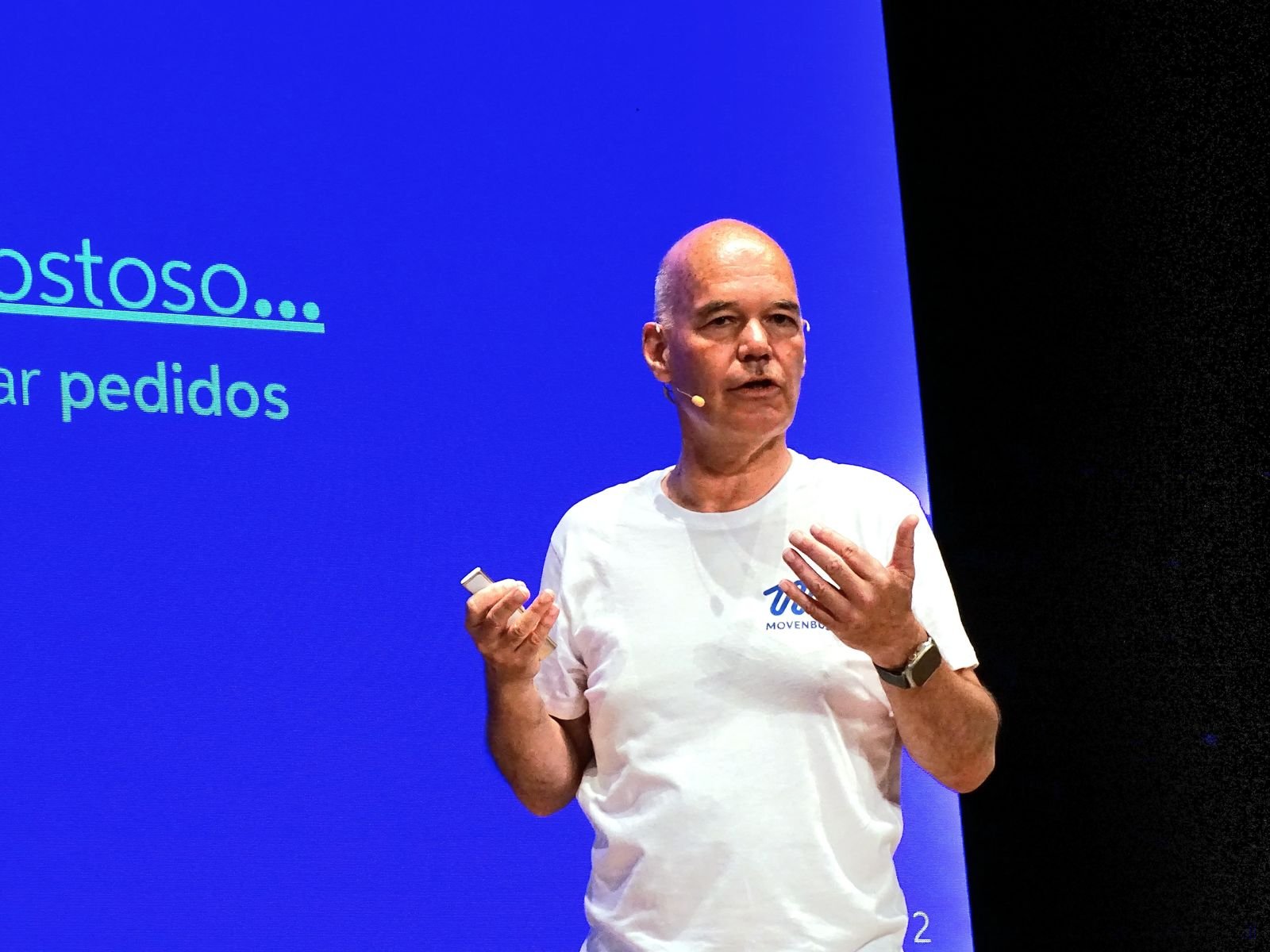
Speaking to an audience at a public event
Spokesperson work. Whoever faces the room is not always the most senior person: it is whoever knows the detail and can hold a technical question without inventing.

The programme

Preparedness, response and recovery

Three phases with different deliverables. The first is often contracted on its own; the other two activate when needed, but only work if the first one is done.

1

Reputational exposure audit

An inventory of the scenarios that can damage the organisation, ranked by likelihood and impact: accidents and safety, labour disputes, service quality, fare decisions, awards and procurement, data protection, sustainability and individual conduct of people in the organisation. It is completed with a stakeholder map — passengers, staff, administration, media, digital environment — and a reading of current perception.

Risk mapStakeholder mapPerception analysisPrioritised scenariosVulnerability diagnosis
2

Crisis manual and protocols

The operating document: a crisis committee with names and deputies, activation and decision chain, thresholds that trigger each response level, base messages per scenario, criteria on what is said and not said in the first hours, and specific protocols for care of those affected, coordination with authorities and internal communication. Short, usable at three in the morning and reviewed annually.

Crisis committeeActivation chainEscalation thresholdsBase messages per scenarioProtocol for those affectedInternal communication
3

Spokesperson training

Preparing the people who will face the public: message technique, handling hostile questions, on-camera appearances, communication in digital environments and dealing with families and those affected. Recorded and reviewed, because nobody improves without watching themselves.

Spokesperson trainingOn-camera simulationHostile questionsDigital communicationDealing with those affected
4

Drills

Realistic exercises with the actual committee, in real time and under simulated media pressure. This is where you discover that nobody answers the duty phone, that two departments give different versions, or that the protocol contains an impossible step. It closes with a findings report and a correction plan.

Real-time exerciseSimulated media pressureFindings reportCorrection plan
5

Listening and early warning

Continuous monitoring of media, social networks, local forums and customer service channels, with agreed alert criteria. Most crises give warning signs first: a recurring complaint, a video circulating in a group chat, a local news item that has not yet escalated.

Media and social monitoringSignals from customer serviceAlert criteriaPeriodic report
6

Active response and recovery

When the crisis happens: support to the committee, drafting and clearing statements, managing media relations, coordinating internal and institutional communication, and hour-by-hour follow-up. Afterwards, the least glamorous and most important work: post-incident analysis, verifiable corrective measures and rebuilding trust with facts rather than campaigns.

Committee supportStatements and clearanceMedia relationsInstitutional coordinationPost-incident analysisRecovery plan
Committee working session in a boardroom

Who it is for

Organisations under permanent scrutiny

  • Passenger transport operators, exposed to safety incidents, labour disputes and service quality criticism.
  • Consortia and transport authorities, politically accountable for unpopular technical decisions.
  • Public service concession holders, whose legitimacy depends on public perception as much as on the contract.
  • Companies with a sensitive territorial footprint, where a local conflict escalates quickly into a national conversation.

The service is delivered by our own team and, depending on scope, with associated specialists in institutional communication, legal advice and digital analysis.

In preparation

A dedicated brand for reputation and public affairs

This service is growing enough to deserve its own identity and team. We are preparing its launch as an independent brand within the group, with the same methodological rigour and the same backing. We will publish progress here.

Frequently asked

Reputation and crisis in detail

We already have a press office. Does this overlap?
No. The press office runs day-to-day work and media relations; ours is structural preparedness and reinforcement in critical situations. In most cases we work with the existing press office, not instead of it.
How long does the crisis manual take?
Six to ten weeks from the start of the audit, depending on the size of the organisation and the committee's availability for working sessions.
Can we contract only spokesperson training?
Yes, though we do not recommend it as a first step. Training a spokesperson before agreeing which messages the organisation can sustain produces apparent confidence and little else.
Do you offer emergency availability?
Yes, through a retained on-call arrangement with a committed response time. It complements the preparedness programme rather than standing alone.
Do you work with public authorities?
Yes, with the caution that institutional communication requires: our work is technical and risk-management focused, and it deliberately stays out of partisan political communication.

Start by knowing what you are exposed to

The reputational exposure audit is a bounded four-to-six-week piece of work. By the end you will have the map of what can happen and the order in which to address it.