Generating value for a Mobile World

MUFMI Public transport that adapts to you

An Avionline product

MUFMI · Public transport that adapts to you

A demand-responsive public transport network. No fixed line, no rigid timetable and no vehicles running empty: the passenger requests a trip and the system builds the route in real time by pooling compatible journeys.

An avionline product

+25
European cities running the technology behind MUFMI
2021
Spanish National Mobility Award
100%
of stops reachable inside the service zone
3
booking channels: app, web and phone

The problem

A fixed line does not work everywhere

In low-density areas, scattered developments, industrial estates and off-peak bands, the conventional bus faces an impossible equation: keep the frequency and run almost empty, or cut it and become useless, losing the few passengers it had.

The result is familiar: coverage on paper, car dependency in practice, and a cost per passenger carried that grows every year.

MUFMI breaks that equation. Instead of moving the vehicle just in case, it moves it when and where there is demand, while keeping every attribute of public transport: public fare, universal accessibility and service obligation.

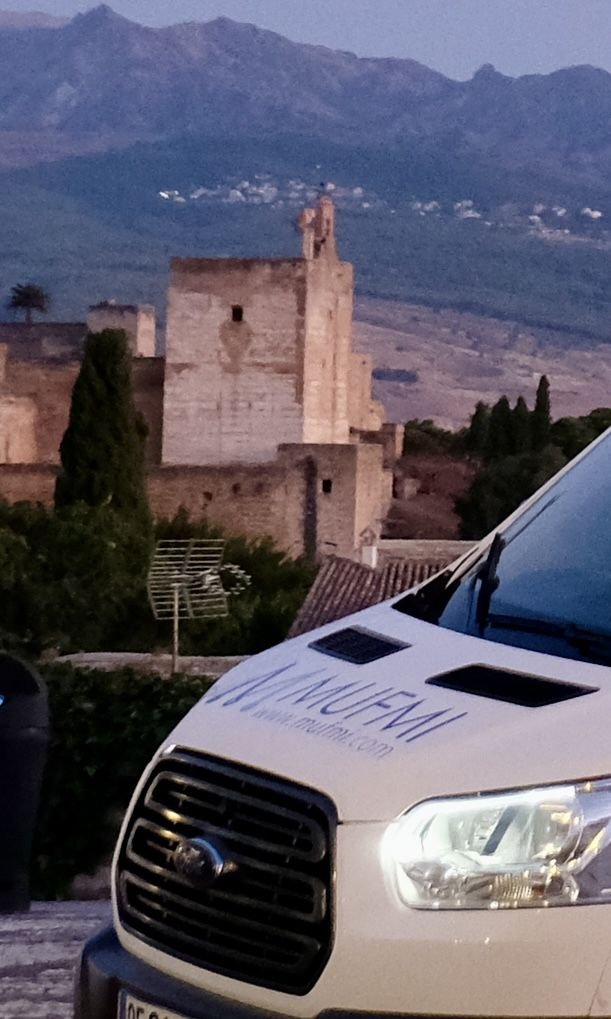
A MUFMI vehicle at dusk beside a hilltop fortress
Rural and peri-urban areas: where the fixed line stops making economic sense.

It moves the vehicle when there is demand, not just in case.

The assignment engine evaluates every request within seconds and decides whether it can serve it without penalising passengers already on board. The more passengers share a journey, the better the cost per passenger and the lower the emissions per seat offered.

  • A committed time window: if it cannot guarantee it, it does not accept the trip.
  • Virtual stops that activate and deactivate according to observed demand.
  • Connections designed around stations, interchanges and line terminals.

How it works

Four steps, under a minute

1

The passenger requests a trip

From the app, the web or by phone. They give origin, destination and preferred time. The phone channel is not a leftover: it is the guarantee that the service also reaches people who do not use a smartphone, and it is staffed by trained people who know the territory.

iOS and Android appWeb bookingTelephone serviceAdvance or on-demand booking
2

The system pools compatible journeys

The assignment engine evaluates within seconds which vehicle can pick up that trip without penalising passengers already on board, and proposes a pick-up stop and a specific time. The more passengers share a journey, the better the cost per passenger and the lower the emissions per seat.

Real-time poolingVirtual stopsGuaranteed time windowEmpty-kilometre optimisation
3

The vehicle picks up and connects

The route is recalculated continuously. The service is also designed to connect with the nodes of the conventional network — stations, interchanges, line terminals — so that the on-demand leg becomes the first or last mile of a longer journey.

Dynamic routingInterchange with the trunk networkAccessible vehiclesArrival alerts
4

The authority sees what is happening

Every trip requested, accepted, refused or cancelled is recorded. That enables something conventional transport rarely offers: knowing real demand, including unmet demand, and adjusting resources on evidence.

DashboardUnmet demandCost per passengerReports for the authority
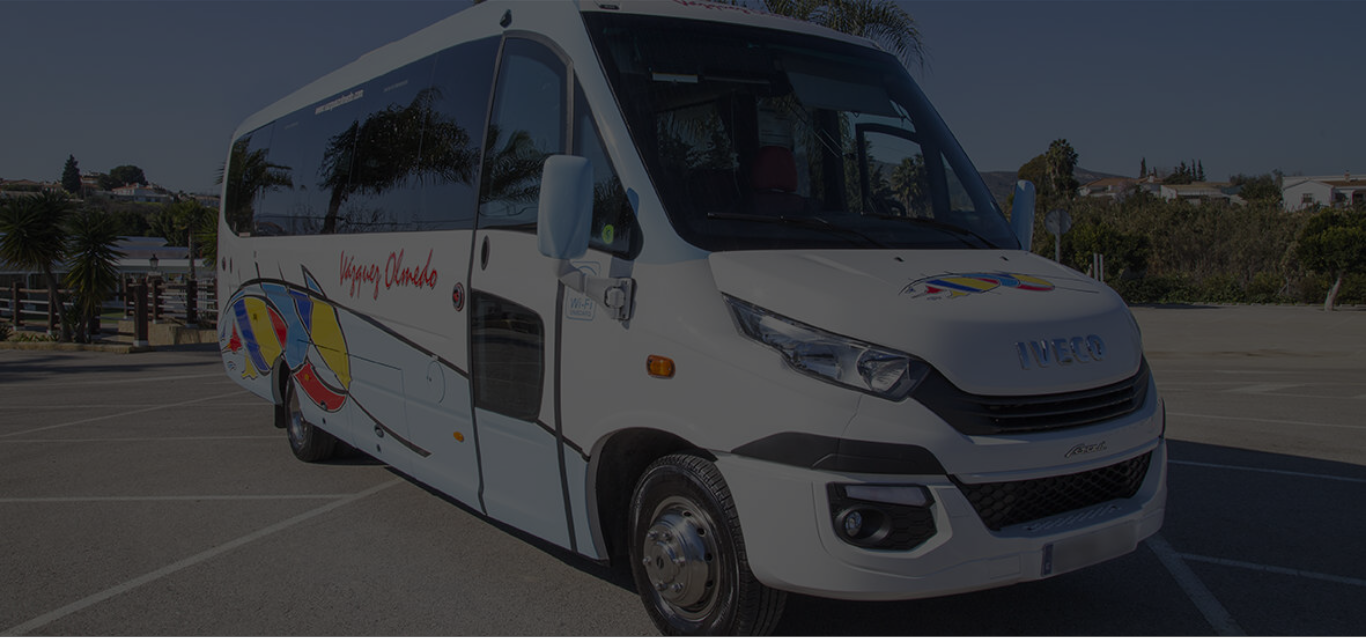
The MUFMI app tracking a trip next to the vehicle

The app

Requesting the bus, with the bus in sight

The app shows origin, destination, assigned stop, committed time and the vehicle's position in real time. It is designed so that the first time somebody uses it, nobody has to explain it.

And for those who do not use it, the same service is available by phone, with published opening hours and recurring bookings for regular users.

Who it is for

Where MUFMI fits well

Dispersed municipalities and districts

Small settlements, remote developments and scattered housing where a fixed line would mean very long routes to capture very few passengers.

Industrial estates and hospitals

Destinations with concentrated shift patterns and hours that do not match the urban network, especially night and weekend shift changes.

Off-peak and night services

Replacing low-occupancy fixed departures with demand-responsive service, keeping coverage and cutting unproductive kilometres.

Seasonal and tourism reinforcement

Seasonal peaks, events and coastal areas where fixed sizing forces a choice between gridlock in August and empty vehicles in February.

Inclusive mobility

Services designed to universal accessibility criteria, with adapted vehicles and assisted booking for older people or people with reduced mobility.

Feeding the trunk network

First and last mile towards rail stations, interchanges and high-capacity line terminals.

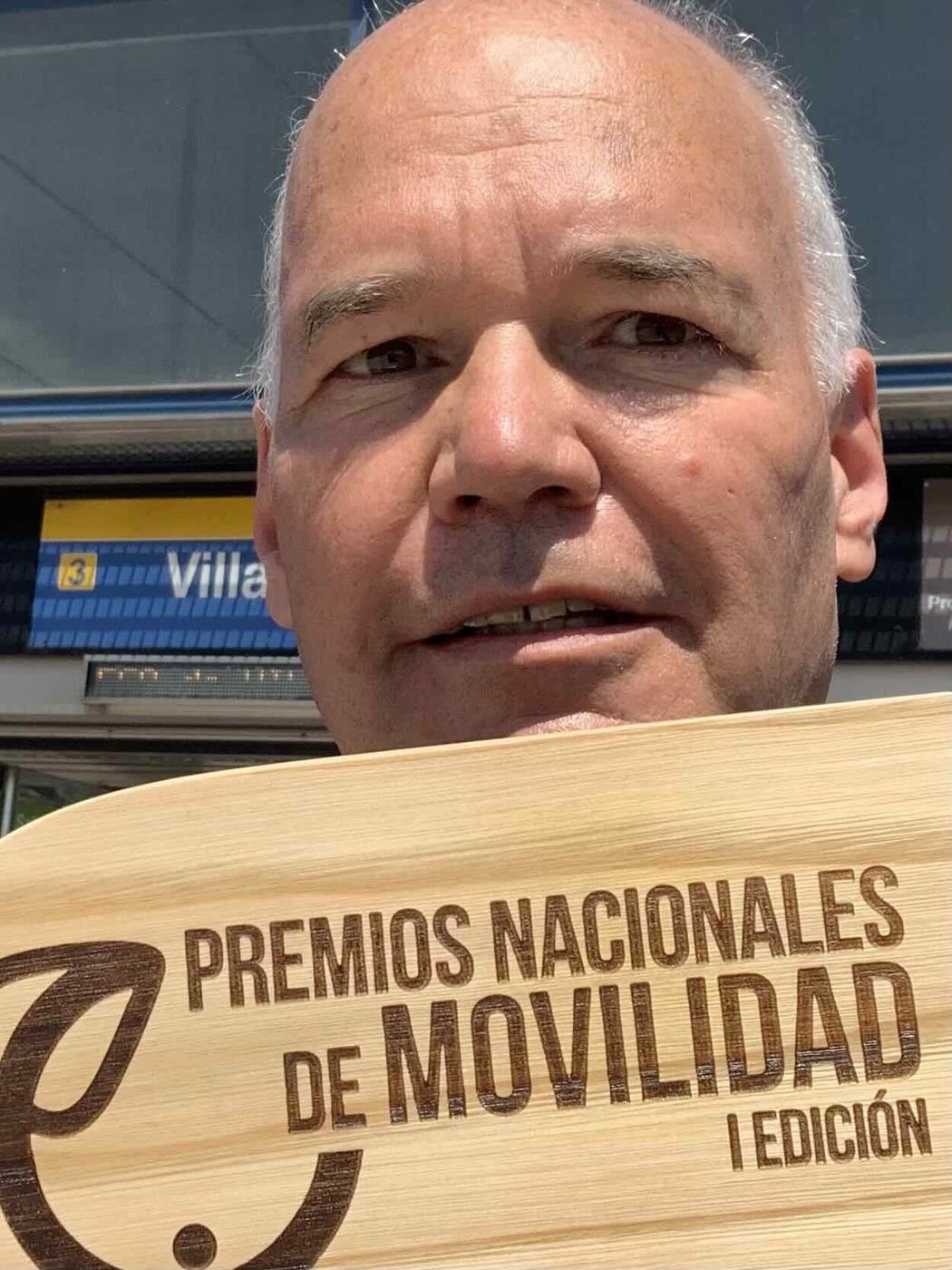
Spanish National Mobility Award received by the MUFMI network
Spanish National Mobility Awards, first edition. Recognition for the largest demand-responsive network in Spain.

What it gives the authority

Public service, with clear accounting

  • Cost per passenger carried, visible and comparable with the fixed line replaced.
  • Real observed demand, including demand that today goes unserved and unrecorded.
  • Fares, tickets and concessions integrated with the fare system in force.
  • Operating data in standard formats, exportable and owned by the public body.
  • Fewer empty kilometres and lower emissions per seat offered.

Frequently asked

MUFMI in detail

Does it replace conventional lines?
Not necessarily. In most projects it coexists with them: the fixed network carries the high-demand corridors and MUFMI covers what that network cannot serve efficiently. In some cases it does replace specific very low-occupancy departures, always after analysis and with the competent authority's agreement.
What about people without a smartphone?
The phone channel is part of the service from day one, with published opening hours and trained staff. Recurring bookings are also available for regular users, so they do not have to request every trip.
How long until it is running?
A pilot service can be on the street 8 to 12 weeks after award, including zone design, system configuration, driver training and the launch campaign.
Who operates the vehicles?
Usually the transport operator already present in the territory. MUFMI does not compete with the operator: it gives them the technology and planning layer that lets them run a flexible service.
How is on-time arrival guaranteed?
The system works with committed time windows. If it cannot guarantee the window it refuses the trip and offers alternatives, rather than accepting and failing.

Do you have an area that is hard to cover?

We run a prior feasibility study — zone, potential demand, fleet required and estimated cost — before you commit a single euro.